

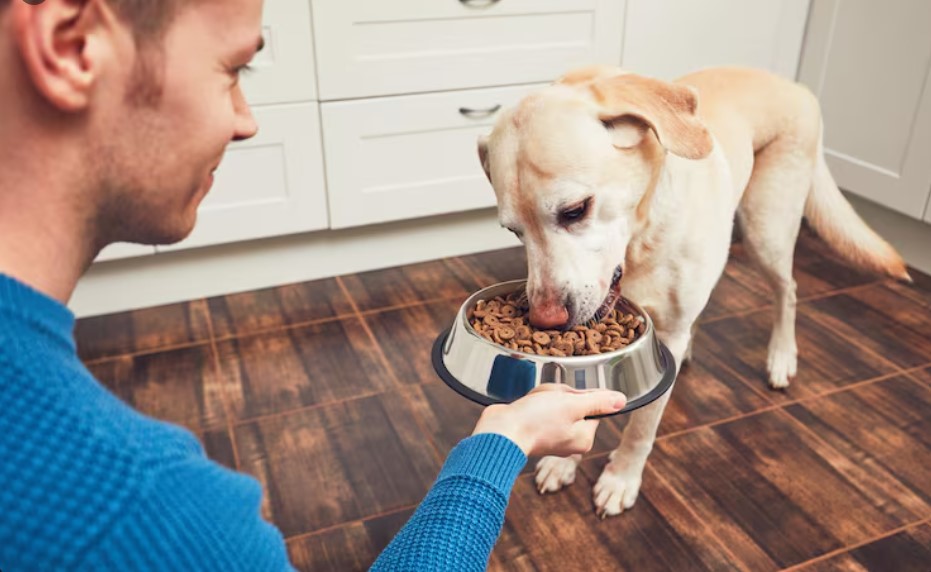
The healthiest dry dog food is not always the product with the highest protein level, the longest ingredient list, or the most expensive package. It is the food that provides complete nutrition for your dog’s life stage while supporting a healthy weight, normal digestion, steady energy, and good muscle condition.
A growing Labrador puppy has different needs from a seven-year-old Chihuahua. An active Border Collie may need more calories than a neutered Beagle that spends most of the day indoors.
This guide explains how to compare dry dog food brands, understand labels, and choose a suitable formula without getting distracted by marketing claims.
What Does “Healthy” Mean in Dry Dog Food?
No single food can be called the healthiest option for every dog.
A healthy dry dog food should meet four basic conditions:
-
It is complete and balanced for the correct life stage.
-
Its calorie level matches the dog’s activity and body condition.
-
The dog can digest and tolerate it.
-
The manufacturer follows reliable formulation and quality-control practices.
The FDA recommends checking the nutritional adequacy statement on the package. This statement tells you whether the product is intended to provide complete and balanced nutrition and whether it is suitable for growth, adult maintenance, reproduction, or all life stages.
“Complete” means the diet supplies the required nutrients. “Balanced” means those nutrients are present in suitable proportions. A product sold only as a topper, mixer, treat, or intermittent food should not replace a complete daily diet.
How to Choose the Healthiest Dry Dog Food
The front of a dog food bag is mainly designed to catch your attention. The useful nutritional details are usually on the back or side panel.
Here is what to examine.
1. Find the nutritional adequacy statement
This should be your first check.
A puppy food may say that it is complete and balanced for growth. An adult formula may be labeled for adult maintenance. Some foods are approved for all life stages, including growth.
Large-breed puppy owners need to be especially careful. Merck Veterinary Manual recommends choosing a complete and balanced growth diet whose adequacy statement confirms that it is suitable for the growth of large-sized dogs. This generally means dogs expected to reach at least 70 pounds as adults.
Do not feed an adult-maintenance formula as a puppy’s main food. It may not provide the nutrient balance intended for growth.
2. Check calories per cup
Dog food labels should provide calorie content per kilogram and per familiar household measure, such as a cup. This lets you compare foods and estimate a daily portion.
Two foods can have similar ingredient lists but very different calorie levels.
For example, imagine that one food contains 330 calories per cup and another contains 450 calories per cup. Feeding the same number of cups from each bag would create a large difference in daily calorie intake.
A calorie-dense food may suit a working dog that struggles to maintain weight. It may not suit an inactive adult that gains weight easily.
3. Match the food to your dog’s body condition
The feeding guide is only a starting point. Individual calorie needs vary based on age, activity, size, neuter status, health, and body condition.
AAHA recommends tracking both body weight and body condition score. A body condition chart helps owners assess the ribs, waist, and abdominal shape rather than judging health from weight alone.
An ideally conditioned dog usually has:
-
Ribs that can be felt without a thick layer of fat
-
A visible waist when viewed from above
-
An abdominal tuck when viewed from the side
Gradually reduce or increase the serving as your dog’s condition changes. A veterinarian can help set a calorie target when the dog is underweight, overweight, growing, pregnant, highly active, or managing an illness.
4. Look beyond the first ingredient
Many shoppers believe that the first ingredient reveals the quality of the whole food. It does not.
Ingredients are listed by weight before processing. Fresh meat contains a large amount of water, while meals and dry ingredients are more concentrated. This can affect where each ingredient appears on the list.
WSAVA notes that an ingredient list does not reveal the ingredient’s quality, digestibility, bioavailability, or contribution to the nutritional value of the finished food. It recommends asking who formulated the product, what qualifications that person has, where the food is produced, and what quality-control testing the company performs.
The full formula matters more than one attractive ingredient.
5. Check whether the company answers nutrition questions
Reliable dry dog food brands should make it possible to ask:
-
Who formulates the diet?
-
Does the company employ qualified nutrition experts?
-
Is the finished food tested?
-
Where is the product manufactured?
-
What quality checks are performed?
-
Can the company provide calorie and nutrient information?
-
How should the food be stored?
Be cautious when a company gives detailed stories about ingredients but avoids basic questions about formulation and production.
Nutrients and Features That Matter Most
Dogs need a suitable balance of protein, fat, carbohydrates, vitamins, minerals, water, and essential fatty acids.
More is not always better. The right amount matters.
Protein
Protein supplies amino acids used throughout the body. It supports muscles, organs, enzymes, hormones, skin, and other tissues.
A higher protein percentage does not automatically make one food healthier than another. The protein must be digestible, nutritionally useful, and balanced with the rest of the formula.
Healthy puppies, active adults, and older dogs may all benefit from adequate protein intake, but their total caloric and nutrient needs can differ.
Dogs with certain health conditions may need a diet selected by a veterinarian rather than a general high-protein product.
Fat
Fat provides concentrated energy and helps make food appealing. It also supplies essential fatty acids.
Active and growing dogs may need more dietary energy. Less-active dogs may gain weight quickly when eating calorie-dense, high-fat food.
Do not judge fat content without checking calories per cup and the recommended portion.
Vitamins and minerals
A complete and balanced commercial food should already include the vitamins and minerals required for its stated life stage.
Adding a vitamin, calcium, or mineral supplement without professional advice can disturb the diet’s balance. This is particularly risky during puppy growth.
Fiber and digestibility
Fiber can support stool quality, digestive function, and a sense of fullness. However, the ideal fiber level depends on the dog and the purpose of the formula.
A healthy dog may do well with a standard adult food. A dog with chronic constipation, diarrhea, excessive gas, or another digestive problem needs a veterinary evaluation instead of repeated food experiments.
Omega fatty acids
Omega-3 and omega-6 fatty acids play roles in skin, coat, cell function, and other body processes. Their presence can be useful, but the overall formula and the amounts supplied matter more than a front-label claim.
Kibble size
The pieces should suit the dog’s mouth and eating style.
Small dogs may find mini or small-bite kibble easier to pick up. Large dogs may prefer larger pieces. Dogs with painful teeth, missing teeth, or oral disease may need softened food or a different texture after a veterinary dental examination.
Ingredients That Are Often Misunderstood
Several ingredients are unfairly treated as signs of either excellent or poor quality.
Meat meals
A named meat meal is a concentrated animal-protein ingredient created after much of the water and fat have been removed.
Its presence does not automatically make a product low quality. What matters is its source, processing, nutritional contribution, and use within the complete formula.
By-products
Animal by-products can include nutrient-rich organs and tissues. Dogs do not require ingredients that look appealing to people. They require nutrients in digestible and safe forms.
A formula should not be rejected simply because it contains a properly identified by-product ingredient.
Corn, wheat, rice, and other grains
Properly processed grains can provide energy, fiber, fatty acids, vitamins, minerals, and other nutrients. Grain-free food is not automatically healthier.
The FDA continues to study reports of non-hereditary dilated cardiomyopathy associated with certain diets. Reports have involved grain-free and grain-containing products, although many reported diets contained peas, lentils, or other pulses high in the ingredient list. The FDA has not concluded that legumes are inherently unsafe or identified one confirmed dietary cause.
Choose grain-free food when it serves a defined nutritional or medical purpose, not because grain has been presented as a harmful filler.
“Natural,” “premium,” and “holistic”
These terms may affect how a product is marketed, but they do not tell you whether it is the best dry food for dogs.
A food still needs the correct nutritional adequacy statement, calorie level, feeding instructions, and manufacturing controls.
Top Dry Dog Food Picks by Life Stage and Need
The following products are examples worth comparing. They are not ranked as universal winners, and no product is right for every dog.
Recipes and packaging can change. Recheck the current label before buying.
Puppy pick: IAMS Proactive Health Smart Puppy Real Chicken
Best suited for: Growing puppies of most breed sizes
IAMS Smart Puppy is a chicken-first dry formula built for growth, with omega-3 DHA to support healthy brain development. It is available in 7-lb and 15-lb bags, which makes it easy to trial before committing to a larger size.
Why it is worth comparing:
-
Clear growth-stage positioning
-
Real chicken as the first ingredient
-
DHA for brain development
-
Designed as a complete daily diet
Check your puppy’s expected adult size. Owners of large and giant breeds should confirm that any chosen growth food carries the correct large-size growth statement, see the large-breed pick below.
Large-breed puppy pick: Purina Pro Plan Puppy Large Breed Chicken & Rice
Best suited for: Puppies expected to weigh more than 50 pounds at maturity
Purina Pro Plan Puppy Large Breed is formulated specifically for the development of large-breed puppies, with controlled nutrient levels, DHA, antioxidants, and protein to support steady, healthy growth.
Large puppies should grow at a controlled rate. Avoid adding calcium or other growth supplements unless a veterinarian has prescribed them.
Adult dog pick: Evanger’s Super Premium Chicken & Brown Rice
Best suited for: Healthy adult dogs needing a standard grain-inclusive formula
Evanger’s Super Premium Chicken & Brown Rice is a straightforward chicken and brown rice recipe from a long-established family-owned manufacturer. A Game Bird recipe with coconut oil is also available for dogs that prefer a different protein.
Why it is worth comparing:
-
Classic chicken and brown rice formula
-
Grain-inclusive recipe
-
Small bag size makes trial runs low-risk
-
Standard formula for generally healthy adults
A standard adult food is often a better starting point than a highly specialized diet when the dog has no diagnosed dietary problem.
Small adult dog pick: Nutro Natural Choice Small Breed Adult Chicken & Brown Rice
Best suited for: Small adult dogs that prefer smaller kibble
Nutro Natural Choice Small Breed Adult uses real chicken as the first ingredient in a kibble sized for small mouths, with non-GMO ingredients and no artificial flavors, colors, or preservatives. It comes in 5-lb and 13-lb bags.
Measure the serving carefully. Small dogs can gain weight from portions that appear modest to a person.
Large adult dog pick: Nutro Natural Choice Large Breed Adult Chicken & Brown Rice
Best suited for: Large adult dogs that do best on a size-specific formula
Nutro Natural Choice Large Breed Adult is built around large dogs’ needs, with a larger kibble format and a grain-inclusive chicken and brown rice recipe in a 30-lb bag suited to bigger appetites. A Lamb & Brown Rice version is available for dogs that do better on an alternative protein.
Why it is worth comparing:
-
Size-specific large-breed formula
-
Larger kibble format
-
Grain-inclusive recipe
-
Large bag size for bigger dogs
Breed size alone does not guarantee healthy joints. Maintaining a lean body condition remains important.
Lower-calorie adult pick: IAMS Healthy Weight Adult Chicken
Best suited for: Less-active adult dogs or dogs prone to weight gain
IAMS Healthy Weight is a chicken-first adult formula with fewer calories than standard adult recipes, designed to help dogs maintain a healthy weight. It is available in 7-lb and 29.1-lb bags.
A lower-calorie food can help, but it will not cause weight loss when the dog still receives too many total calories from meals, treats, chews, and table scraps.
Dogs that are significantly overweight should receive a veterinary weight-management plan.
Senior dog pick: Nutro Natural Choice Senior Chicken & Brown Rice
Best suited for: Older adult dogs that fit the product’s age guidance
Nutro Natural Choice Senior is formulated for aging dogs with real chicken first and a grain-inclusive recipe. For large older dogs specifically, IAMS Mature Adult Large Breed is another dry option built around larger seniors.
Why it is worth comparing:
-
Senior-focused formula
-
Real chicken as the first ingredient
-
Published serving guidance
-
Grain-inclusive dry format
“Senior” is not one legally standardized life stage with identical needs. An overweight senior, a thin senior, and a senior with kidney disease may each need a different diet.
Sensitive skin and stomach pick: Purina Pro Plan Adult Sensitive Skin & Stomach Salmon & Rice
Best suited for: Adult dogs that need a gentler everyday formula
Purina Pro Plan Sensitive Skin & Stomach pairs salmon as the first ingredient with rice, prebiotic fiber, and omega fatty acids for skin and coat support. A Lamb & Oat Meal version is available for dogs that do better off fish.
Do not treat chronic itching, vomiting, diarrhea, or ear infections through food changes alone. These signs can have several causes and need veterinary assessment.
How Much Dry Dog Food Should You Feed?
Begin with the product’s feeding chart. Then adjust the amount based on your dog’s weight trend and body condition.
Use this process:
-
Record your dog’s current weight.
-
Find the calories per cup on the package.
-
Measure each serving with a level cup or kitchen scale.
-
Include treats, toppers, and chews in the daily total.
-
Check body condition every two to four weeks.
-
Adjust the food gradually when needed.
Puppies need more frequent meals than most adults. Merck’s general schedule suggests four meals daily from 6 to 12 weeks, three meals from 3 to 6 months, and two meals from 6 to 12 months. Adult dogs commonly eat once or twice per day, although individual needs vary.
Contact your veterinarian before making a major calorie reduction. Severe restriction can lead to nutrient shortfalls when a standard maintenance food is simply fed in a much smaller quantity.
Does Dry Dog Food Clean a Dog’s Teeth?
Ordinary kibble should not be treated as a replacement for brushing and professional dental care.
Some specially designed dental diets have evidence supporting plaque or tartar control. The Veterinary Oral Health Council awards its seal only after reviewing submitted evidence against its standards. Its accepted-product list separates tested dental diets from ordinary dry foods.
Look for the VOHC seal when dental benefits are a major reason for buying a product.
Arrange a dental examination if your dog has bad breath, red gums, visible tartar, difficulty chewing, bleeding, facial swelling, or dropped food.
How to Store Dry Dog Food Safely
Good food can lose quality when it is stored badly.
The FDA recommends storing dry pet food in a cool, dry place below 80°F. It also advises keeping kibble in its original bag with the top folded securely. The original package preserves the lot number, best-by date, and product details that may be needed if a safety problem occurs.
For safer storage:
-
Keep the food away from heat and moisture.
-
Place the original bag inside a clean, sealed container.
-
Do not pour new kibble on top of old crumbs.
-
Wash and dry the container between bags.
-
Use clean, dry measuring tools.
-
Keep the food where pets and children cannot reach it.
-
Save the lot number until the bag is finished.
Buy a package size your dog can finish while the food remains fresh.
Common Mistakes When Choosing Dry Dog Food
Choosing the highest protein percentage
High protein does not automatically mean high quality or a better match for your dog.
Believing expensive means healthier
Price may reflect ingredients, packaging, processing, advertising, distribution, or brand positioning. It does not replace a nutritional adequacy statement.
Avoiding every ingredient with an unfamiliar name
Vitamins, minerals, amino acids, and preservatives often have technical names. Their purpose matters more than whether the name sounds familiar.
Changing food every few weeks
Repeated changes make it difficult to identify what agrees with your dog. They may also cause digestive upset.
Ignoring treats and toppers
A carefully measured diet can still lead to weight gain when extras are not counted.
Buying based on online ratings alone
Ratings often reflect delivery problems, taste preferences, packaging changes, or individual experiences. They do not prove nutritional suitability.
Using store food for a medical condition
Kidney disease, urinary disease, pancreatitis, diabetes, severe food reactions, and other illnesses may require specific nutritional management. Nutrition can play an important role in disease care, but the required amounts of certain nutrients may differ from those needed by healthy dogs.
Choose the Healthiest Dry Dog Food for Your Dog
Start with your dog, not the package design.
Write down your dog’s age, expected adult size, current weight, activity level, body condition, and known health concerns. Then select two or three foods that carry the correct nutritional adequacy statement.
Compare calories per cup, serving amounts, kibble size, manufacturer information, and cost per feeding day. Buy a practical package size and transition gradually.
The healthiest dry dog food is the one that consistently meets your dog’s nutritional needs without causing unhealthy weight gain, digestive trouble, or avoidable feeding problems. Choose one suitable formula, measure it accurately, and review your dog’s body condition every few weeks.
Frequently Asked Questions
What is the healthiest dry dog food?
The healthiest choice is a complete and balanced formula suited to your dog’s life stage, size, calorie needs, body condition, and health. No single brand or recipe is healthiest for every dog.
What should be the first ingredient in dry dog food?
There is no one required first ingredient that proves a food is healthy. Evaluate the complete formulation, adequacy statement, calorie content, manufacturer expertise, and your dog’s response.
Is grain-free dry dog food healthier?
Not for most dogs. Grain-free food may be appropriate in selected cases, but it is not automatically more nutritious. Discuss the choice with your veterinarian, especially when the food contains large amounts of pulses.
Is dry dog food better than wet food?
Neither format is automatically better. Both can provide complete nutrition when correctly formulated.
Dry food is often easier to measure, store, and use in feeding toys. Wet food provides more moisture and may appeal to dogs that prefer soft textures.
Can I mix dry and wet dog food?
Yes. Check that both foods suit your dog and calculate the combined calories. Do not add a full wet-food portion on top of the dog’s normal dry serving.
How do I know whether a dry food agrees with my dog?
Watch your dog’s:
-
Appetite
-
Stool quality
-
Weight
-
Body condition
-
Muscle condition
-
Energy
-
Skin and coat
-
Vomiting or gas
Seek veterinary help for persistent digestive problems, unexplained weight changes, severe itching, low energy, refusal to eat, blood in the stool, or other concerning signs.